Entrepreneurship is no longer limited to experienced professionals or large investors. Today, students are stepping into the world of startups, freelancing, and innovation earlier than ever. With the right mindset and guidance, anyone can begin their entrepreneurial journey while still studying.
This beginner-friendly guide will help students understand the fundamentals of entrepreneurship, develop essential skills, and take practical steps toward building a successful venture.
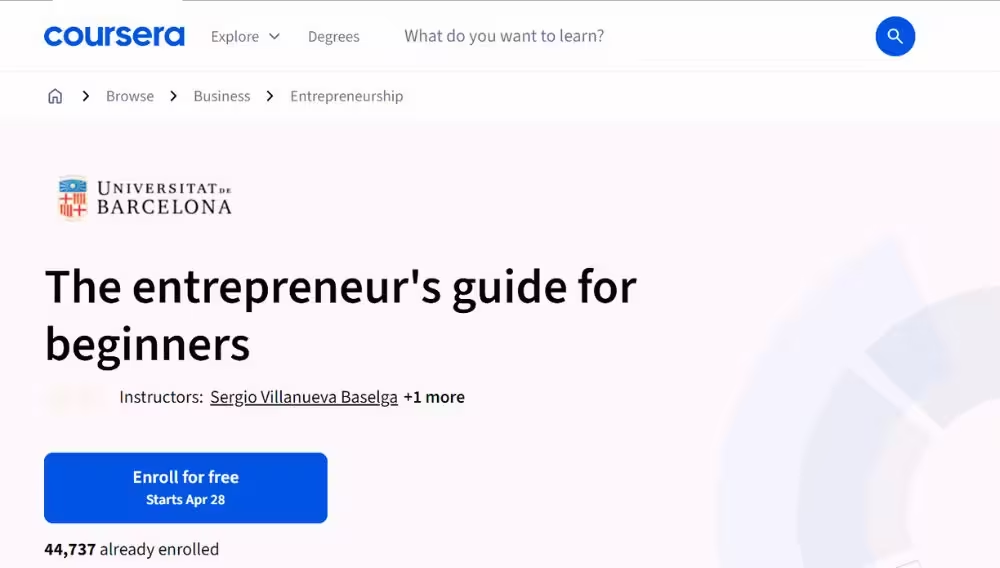
What Is Entrepreneurship?
Entrepreneurship is the process of identifying a problem, creating a solution, and turning that solution into a business. It involves innovation, risk-taking, and value creation.
For students, entrepreneurship is not just about starting a company—it’s about developing a mindset. It teaches you how to think creatively, solve problems, and adapt to challenges.
Why Students Should Learn Entrepreneurship
Starting early gives students a major advantage. Entrepreneurship helps you:
- Build confidence and independence
- Develop problem-solving skills
- Gain real-world experience
- Create income opportunities
- Prepare for future careers
It also encourages innovation and contributes to economic growth by creating new ideas and job opportunities.
Key Skills Every Student Entrepreneur Needs
Before starting your journey, focus on building these core skills:
1. Creative Thinking
Entrepreneurs see opportunities where others see problems. Developing creativity helps you generate unique ideas.
2. Decision-Making
You’ll often make decisions with limited information. Learning to act confidently is crucial.
3. Financial Basics
Understanding profit, expenses, and budgeting is essential for sustaining a business.
4. Communication Skills
You need to explain your ideas clearly to customers, partners, and investors.
5. Leadership and Teamwork
Even small projects may require collaboration, making leadership skills important.
Step-by-Step Guide to Starting as a Student Entrepreneur
Identify a Problem
Every business starts with a problem. Look around your daily life—school, community, or online—and identify something that needs improvement.
Develop a Solution
Think of a product or service that solves the problem effectively. Keep it simple and practical.
Validate Your Idea
Before investing time or money, test your idea. Ask friends, classmates, or potential users for feedback.
Create a Basic Plan
You don’t need a complex business plan. Just outline:
- What you’re offering
- Who your customers are
- How you’ll earn money
Start Small
Begin with minimal resources. Many successful businesses started as small side projects.
Learn and Improve
Entrepreneurship is a continuous learning process. Adapt based on feedback and results.
Types of Entrepreneurship Students Can Explore
Students have multiple paths to start:
- Online businesses: Selling products or services through digital platforms
- Freelancing: Skills like writing, design, or coding
- Social entrepreneurship: Solving community or environmental issues
- Small businesses: Local services or campus-based ideas
Each type offers unique learning experiences and growth opportunities.
Common Challenges and How to Overcome Them
Lack of Experience
Start learning by doing. Even small projects can teach valuable lessons.
Fear of Failure
Failure is part of the journey. Treat it as a learning opportunity.
Limited Resources
Use free tools, online platforms, and your network to get started.
Time Management
Balance studies and business by setting priorities and managing your schedule effectively.
Practical Tips for Student Entrepreneurs
- Start with what you already know or enjoy
- Focus on solving real problems
- Keep learning from real-world examples
- Build a network of like-minded people
- Take action instead of waiting for perfection
As many experienced entrepreneurs suggest, learning becomes more effective when combined with real action rather than just theory.visite Business Introducer
How to Stay Motivated
Entrepreneurship is a long journey. Staying motivated is key:
- Set small, achievable goals
- Celebrate progress
- Learn from successful entrepreneurs
- Surround yourself with supportive people
Remember, consistency matters more than speed.
Conclusion
Entrepreneurship is one of the most valuable skills students can develop today. It’s not just about starting a business—it’s about building confidence, creativity, and resilience.